
Is It Safe to Use Public Transportation in Mexico? What You Need to Know
Public transportation in Mexico varies widely in terms of safety, reliability, and comfort depending on the specific region and type of service you’re using. Urban centers like Mexico City offer modern, relatively safe transit options including metro systems and metrobuses, while more remote areas may present additional safety challenges that travelers should be aware of before riding.
Skip the uncertainty — compare private transfers and shuttle prices across Mexico with instant booking and verified drivers. Ideal for airport arrivals, night travel, or families.
Key Takeaways
- Safety levels vary significantly by location, with tourist areas generally having better security measures
- The Mexico City Metro is efficient but can be extremely crowded during rush hours
- Official taxi services (sitio taxis) and rideshare apps are safer alternatives to hailing cabs on the street
- Avoid displaying valuables and be vigilant about your belongings on all public transportation
- First-class and premium bus services between cities offer significantly better safety and comfort
Types of Public Transportation in Mexico
Mexico offers a diverse range of public transportation options that vary significantly from city to city. Metro systems operate in Mexico City and Monterrey, providing affordable and relatively efficient service throughout these metropolitan areas.
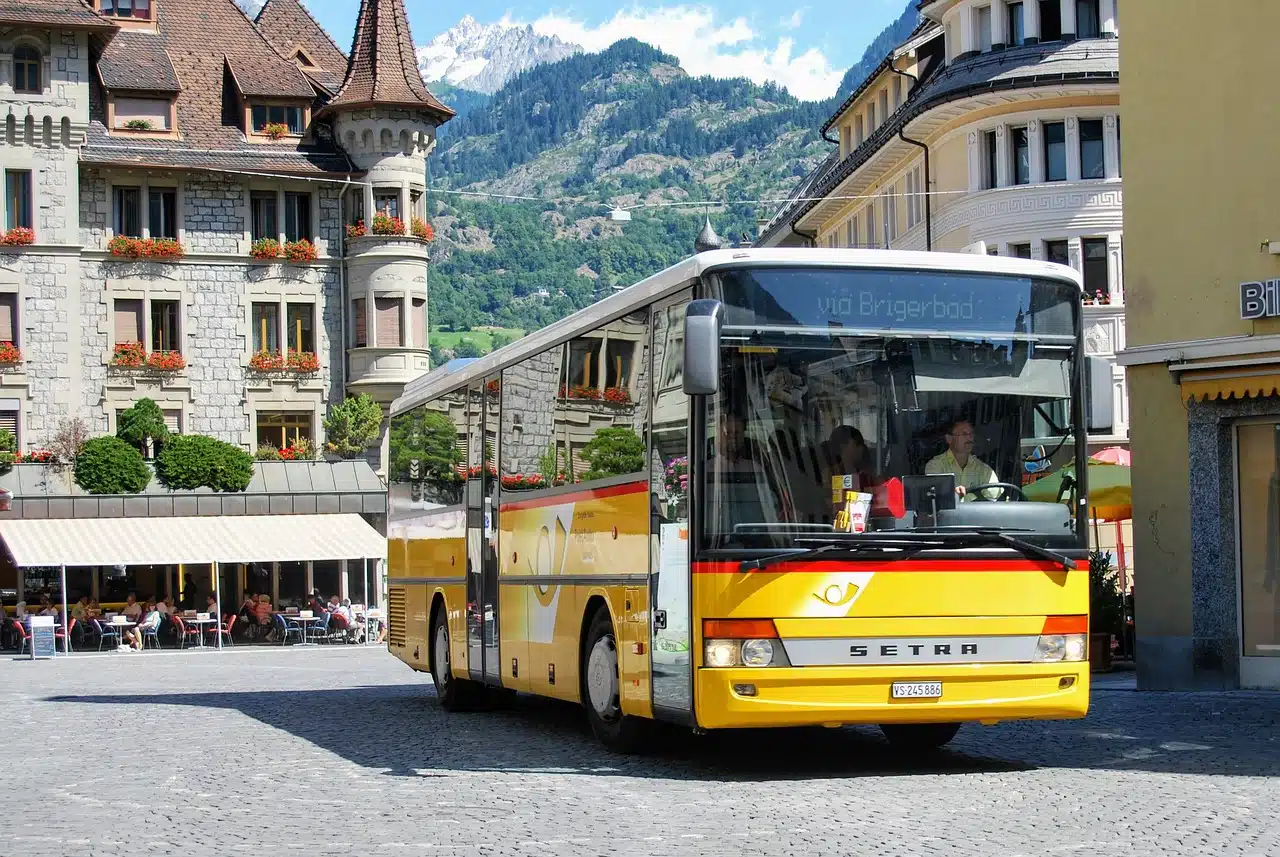
City buses come in various forms, from modern metrobuses with dedicated lanes to smaller microbuses and combis (van-like vehicles). Intercity travel is serviced by an extensive network of bus companies offering different classes of service, from basic to luxury executive coaches.
Safety Profile of Urban Transit Systems
The Mexico City Metro is one of the largest subway systems in the world and transports millions of passengers daily. While generally safe for daytime travel, certain lines and stations can become extremely crowded during rush hours, creating opportunities for pickpocketing and other petty crimes.
Crime Statistics and Official Advisories
According to crime statistics from Numbeo, public transportation in major Mexican cities has moderate to high safety concerns, with Mexico City ranking in the middle range compared to other global metropolises. The U.S. Department of State travel advisory recommends that tourists exercise increased caution when using public transportation, particularly at night.
How Safety Varies by Region in Mexico
Safety conditions can vary dramatically depending on which part of Mexico you’re visiting. Tourist destinations such as Cancun, Playa del Carmen, and Mexico City’s central districts typically have better security measures and more tourist-friendly transportation options.
The U.S. State Department travel advisory indicates that some states in Mexico have higher security concerns than others. For example, major tourist areas in Quintana Roo (including Cancun) generally have better transportation safety profiles than states with travel restrictions like Tamaulipas or Michoacán.
Taxis and Ridesharing Safety
When it comes to taxis, there’s a significant safety difference between various services. Street-hailed taxis in some areas have been associated with express kidnappings and robbery, particularly when picked up from the street rather than designated taxi stands.
Uber and Rideshare Safety in Mexico
Ridesharing apps like Uber and Didi offer improved safety in many Mexican cities because they provide driver information and trip tracking. Official “sitio” taxis from designated stands or hotel-arranged transportation are much safer options than flagging down unmarked taxis on the street.
Is Bus Travel Between Mexican Cities Safe?
Mexico’s intercity bus system includes various service classes that differ not just in comfort but also in safety. First-class (Primera Clase) and luxury (Ejecutivo) buses typically travel on toll highways, make fewer stops, and have additional security measures including driver verification and sometimes security checks for passengers.
Safest Bus Companies in Mexico
Companies like ADO, ETN, and Primera Plus maintain high safety standards and modern fleets. These premium services cost more but provide significantly better security than second or third-class options that may stop frequently and travel through less secure areas.
Practical Safety Tips for Travelers
When using public transportation in Mexico, several practical safety measures can significantly reduce your risk. Avoid traveling late at night when possible, especially on city buses or metro systems in areas you’re unfamiliar with.
Keep valuables secure and out of sight, with money distributed in different pockets rather than all in one wallet or purse. Remain alert in crowded situations, particularly when entering and exiting stations or during rush hour when pickpocketing is more common.
Here are some additional precautions worth taking:
- Research specific transit routes before traveling rather than studying maps publicly
- Consider using an anti-theft bag or money belt for important documents and cash
- Ask your hotel about which public transportation options are safest in the area
- Travel with others when possible, especially after dark
- Keep a photocopy of your passport separate from the original document
When to Book Private Transfers Instead
In some situations, the additional cost of private transportation may be worth the added security. Night travel, journeys with multiple transfers, or transit through less secure neighborhoods might justify splurging on a private driver or official taxi service.
For families traveling with children or visitors with limited Spanish proficiency, private transportation options might provide both safety advantages and practical convenience. The peace of mind from door-to-door service can be well worth the extra expense, especially in unfamiliar locations.
Not sure about public transport for your route? Use our search tool to compare buses, shared shuttles, and private transfers with real-time prices. Book verified operators with instant confirmation through GuateGo.
Is It Worth Taking Public Transport in Mexico?
Public transportation in Mexico can be used safely with proper precautions and awareness. The key is understanding the specific safety profile of your destination rather than making generalizations about the entire country.
With research, local advice, and common sense safety practices, many travelers navigate Mexico’s public transportation systems without incident. By staying informed about current conditions through official travel advisories and reading updated information about your specific destinations, you can make educated decisions about which transportation options make the most sense for your journey.
Whether you choose a first-class ADO bus or a private airport transfer, you can compare all options and prices at MexicoTransportService.com. Real-time availability, instant e-tickets, and best price guarantee.
Frequently Asked Questions About Public Transport Safety in Mexico
Is the Mexico City Metro safe for tourists?
The Mexico City Metro is generally safe during daytime hours, especially on routes connecting major tourist areas. Avoid rush hours (7–9 AM and 5–8 PM) when extreme crowding creates pickpocketing opportunities. Women and children can use designated cars during peak times. Keep valuables hidden and stay alert at all stations.
What is the safest way to get from Cancun Airport to my hotel?
The safest option is a pre-booked private transfer or shared shuttle from a reputable platform. Avoid accepting rides from unofficial taxi drivers inside the terminal. Official airport transportation counters and pre-booked transfers through platforms like GuateGo provide verified drivers, tracked vehicles, and fixed prices.
Are ADO buses safe in Mexico?
Yes, ADO and other first-class bus companies (ETN, Primera Plus) are considered very safe. They use toll highways, have modern fleets with GPS tracking, and often include security checks. First-class services are significantly safer and more comfortable than second-class or colectivo buses.
Sources
U.S. Department of State – Mexico Travel Advisory
Viator – Public Transportation in Mexico City
Numbeo – Crime Statistics for Mexico
Visit Mexico – Transportation Information
Mexperience – Getting Around in Mexico City
- About the Author
- More info

Tim Kroeger is the founder of Universal Traveller and a luxury wellness travel specialist based in Bangkok. After 15+ years of nonstop travel across 110+ countries, constant flights and jet lag pushed him to shift from chasing “more places” to protecting better energy. Today, he writes and speaks about travel recovery—how sleep, nervous system regulation, movement, and environment determine whether a trip restores you or drains you. He reviews luxury wellness hotels and spas through a performance lens, combining firsthand testing with expert insights from Beyond the Spa and global industry roundups.


